


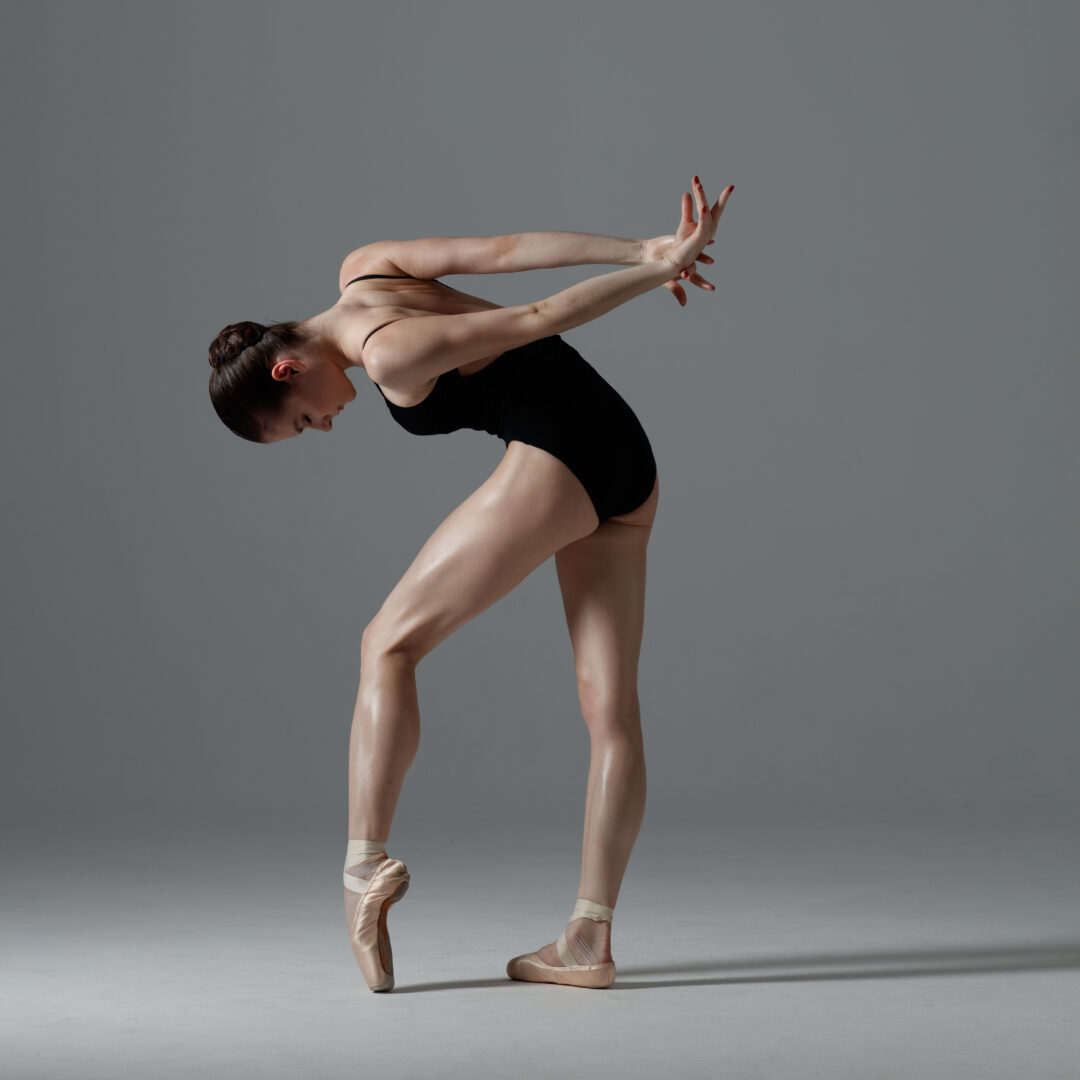
Lifting can seem intimidating, especially for dancers. We often associate lifting with a powerful, muscular, bulky look that stands in direct contrast to the clean lines dancers strive for. However, strength training is for all athletes, including dancers. Whether you’re in ballet, jazz, contemporary, hip-hop, pom, or ballroom, your body is constantly jumping, turning, balancing, and landing. You rely on strong, controlled movement. Lifting weights can entirely switch the way that it feels to dance and the way that you dance.
Stronger Legs = Higher Jumps
Have you ever seen a leap performed so well that the dancer appeared to be floating in the air? Yours could look like that, too, with the right training. The explosiveness needed to give jumps their magical height and air time comes from strong legs. Your hamstrings, glutes, quads, and calves all play a role in jumping. When these muscles are weak, it is hard to achieve impressive heights on your leaps and jumps.
It might sound like a joke, but your landings are even more important than the height of your jumps. Every time you hit the floor, your knees and ankles absorb impact. Without strong muscles around them, every jump puts you at risk of stress and injury. Lifting strengthens those protective muscles so your landings become softer, quieter, and safer.
Core Strength = Better Turns and Balance
Falling out of a turn is frustrating! When you’re new to the moves, this is a technique problem, but later, if you’re still falling out of your turns, you are dealing with a very fixable stability issue. Your core is a key part of any turn sequence, and it houses more than just your abs. You have deep stabilizing muscles in your lower abdomen, back, and hips that help keep you lifted and centered. Keeping these muscles strong and engaged helps prevent wobbling and falling out of your turns. Instead of gripping your shoulders or tightening everything to stay upright, a strong core allows you to feel supported from the inside out, which allows for cleaner turns.
It Protects You From Injury
One of the key benefits of strength training in dance is safety. Your dances, especially if you stick to a limited number of styles, use the same muscles on repeat. Repetitive motion can cause injuries, including shin splits, ankle instability, and knee tears. Strength training helps correct those imbalances by intentionally building muscles that are often overlooked in technique class. Lifting will help give your body the support it needs to handle the intense life of a dancer.