


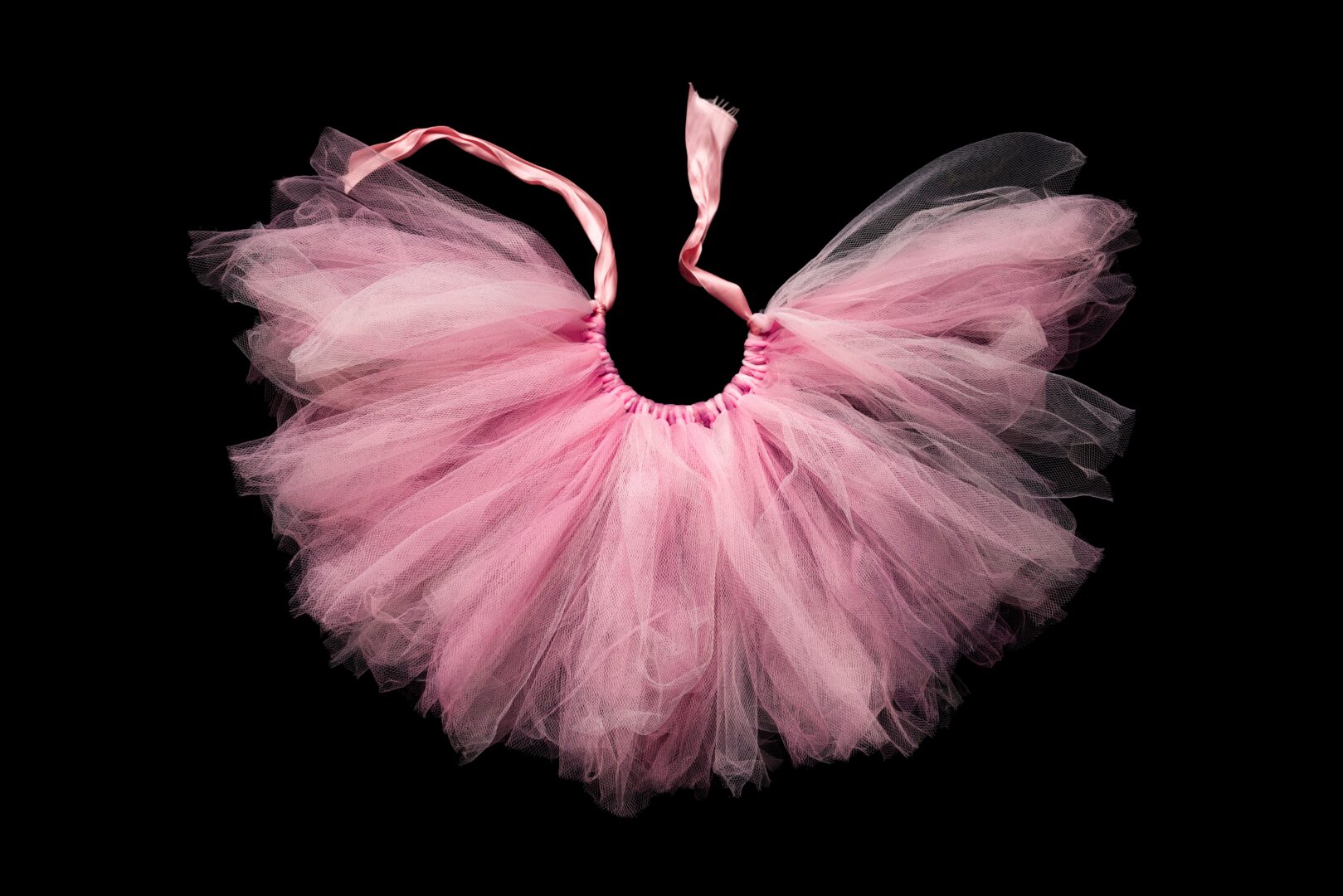
Think of ballet, and what is one of the first things that comes to mind? For so many people, it’s a ballerina in a beautiful tutu, standing on pointe with her arms gracefully extended.
Tutus have become one of the most recognizable symbols of ballet, appearing in everything from classic productions to fashion, art, and childhood dress-up memories. But have you ever wondered how the tutu became such an important part of dance history? Its story goes back nearly 200 years, and the costume has changed quite a bit since it first appeared onstage. From flowing, romantic skirts to the short, structured tutus we recognize today, every version tells us something about how ballet has evolved.
Where Did the Tutu Come From?
Before tutus became the iconic ballet costumes we know today, dancers often performed in elaborate clothing inspired by the formal fashions of their time. These outfits could be heavy and restrictive, making it more difficult to perform the increasingly complex movements that ballet demanded. As ballet developed throughout the 18th and early 19th centuries, dancers and designers began experimenting with costumes that allowed for greater freedom of movement. Showing more of the dancer’s legs also made it easier for audiences to see the footwork and technique.
The Romantic Tutu: A Dreamy Beginning
The Romantic tutu looked quite different from the short, stiff skirts many dancers picture today. It was made from soft, lightweight fabric and typically fell around the middle of the calf, creating a delicate, bell-shaped silhouette. This style became especially popular during the Romantic era of ballet, when productions often featured fairies, spirits, enchanted characters, and other supernatural stories. The costume wasn’t just there to look pretty. Its lightness and movement helped create the illusion that a dancer could float across the stage. Combined with pointe work, expressive choreography, lighting, and music, the tutu became part of the magic that made Romantic ballet so captivating.
How the Tutu Became Shorter
As ballet technique continued to develop throughout the 19th century, costumes changed along with it. Dancers were performing more difficult footwork, increasingly demanding turns, and more advanced pointe work. Longer skirts could make it harder for audiences to see these movements clearly, so the tutu gradually became shorter. The change was huge because it placed greater emphasis on the dancer’s legs, feet, and technical precision. Audiences could see more of the intricate movements that made classical ballet so impressive and beautiful to watch.
The Tutu Has Inspired Art and Fashion, Too
The tutu’s influence doesn’t end when the curtain closes. Its distinctive shape has inspired artists, designers, photographers, and fashion creators for generations. Fashion designers have borrowed elements of ballet costumes, including layers of tulle, delicate ribbons, fitted bodices, and voluminous skirts. These details have appeared in everything from formal gowns to modern streetwear. Even outside the fashion world, the tutu has become a recognizable symbol of creativity and imagination. It appears in illustrations, toys, children’s costumes, and countless artistic interpretations of dance.
The tutu has come a long way since its early days in Romantic ballet. What began as a light, flowing costume became one of the most recognizable symbols of classical dance, evolving alongside new techniques, changing artistic styles, and the stories dancers bring to life onstage.