


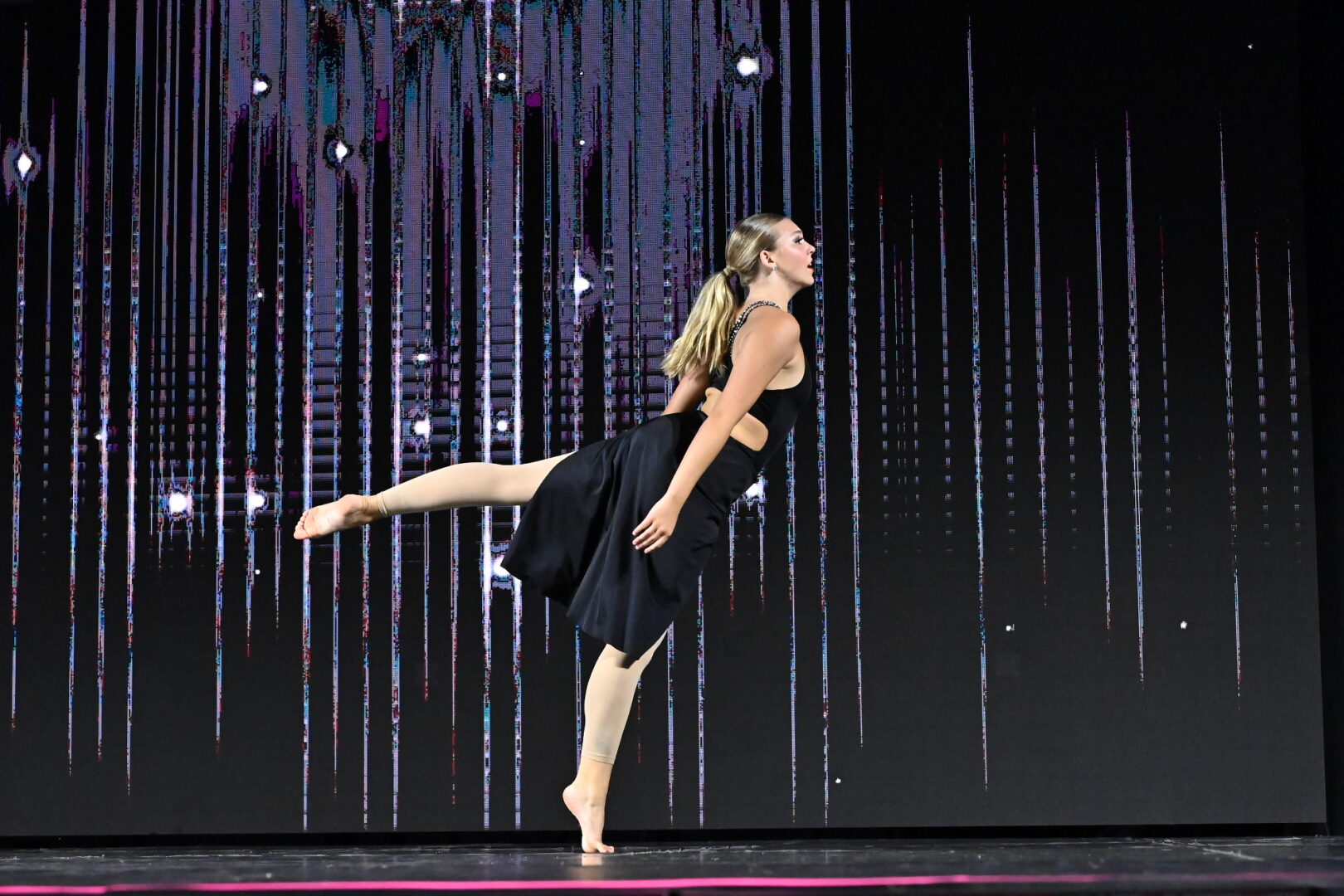
If you’ve ever watched a dancer effortlessly balance in passé, nail a clean pirouette, or rise onto demi-pointe with beautiful control, there’s a good chance their relevé technique is a reason why they can!
Relevé might seem like a small, simple movement, but it’s one of the foundations of strong dance technique. A relevé is when you rise from flat feet onto the balls of your feet, creating that lifted position you use in so many different dance steps. Whether you dance ballet, jazz, lyrical, contemporary, or even acro, developing strength and control through your feet and ankles can make a difference in the way you move.
It Helps Improve Your Turns
Have you ever felt like you could do a turn one day but couldn’t quite find your balance the next? Your relevé might be one piece of the puzzle! Turns often require you to rise onto the supporting foot and maintain control while rotating. A strong, stable relevé can help you stay lifted, maintain your alignment, and feel more stable throughout the movement. Instead of sinking into your ankle or constantly wobbling, you can focus on keeping your body organized and your supporting leg active.
It Builds Foot and Ankle Strength
Your feet and ankles do a lot of work during dance and performances! They help support your weight, control your movements, and adjust to changes in direction. Practicing relevés with proper technique helps develop strength in your calves and the muscles that support your feet and ankles. This strength is especially important when you’re balancing on one foot or moving quickly through choreography.
It Helps You Find Better Balance
Balance is one of those skills that shows up in almost every style of dance. From holding an arabesque to finishing a combination without wobbling, you need control over where your weight is placed. A strong relevé helps you practice keeping your body lifted and centered over your supporting foot. Over time, this can help you feel more stable in balances and transitions. Try thinking about growing taller through the top of your head as you rise, rather than leaning forward to find your balance. Keep your shoulders relaxed, your core gently engaged, and your ankles aligned.
It’s an Important Foundation for Pointe Work
For ballet dancers, relevé becomes especially important when preparing for pointe work. Pointe training requires significant strength, balance, coordination, and appropriate technique. Developing a controlled relevé on demi-pointe is one part of building that foundation. However, being able to rise high onto demi-pointe doesn’t automatically mean you’re ready for pointe shoes. Pointe readiness depends on several factors, including strength, alignment, technique, physical development, and your teacher’s assessment.
The next time you work on relevés in class, try not to rush through them just because they seem simple. Pay attention to your alignment, rise with control, and lower with the same care.