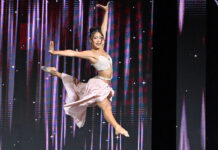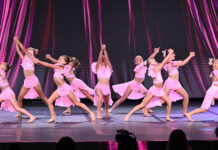


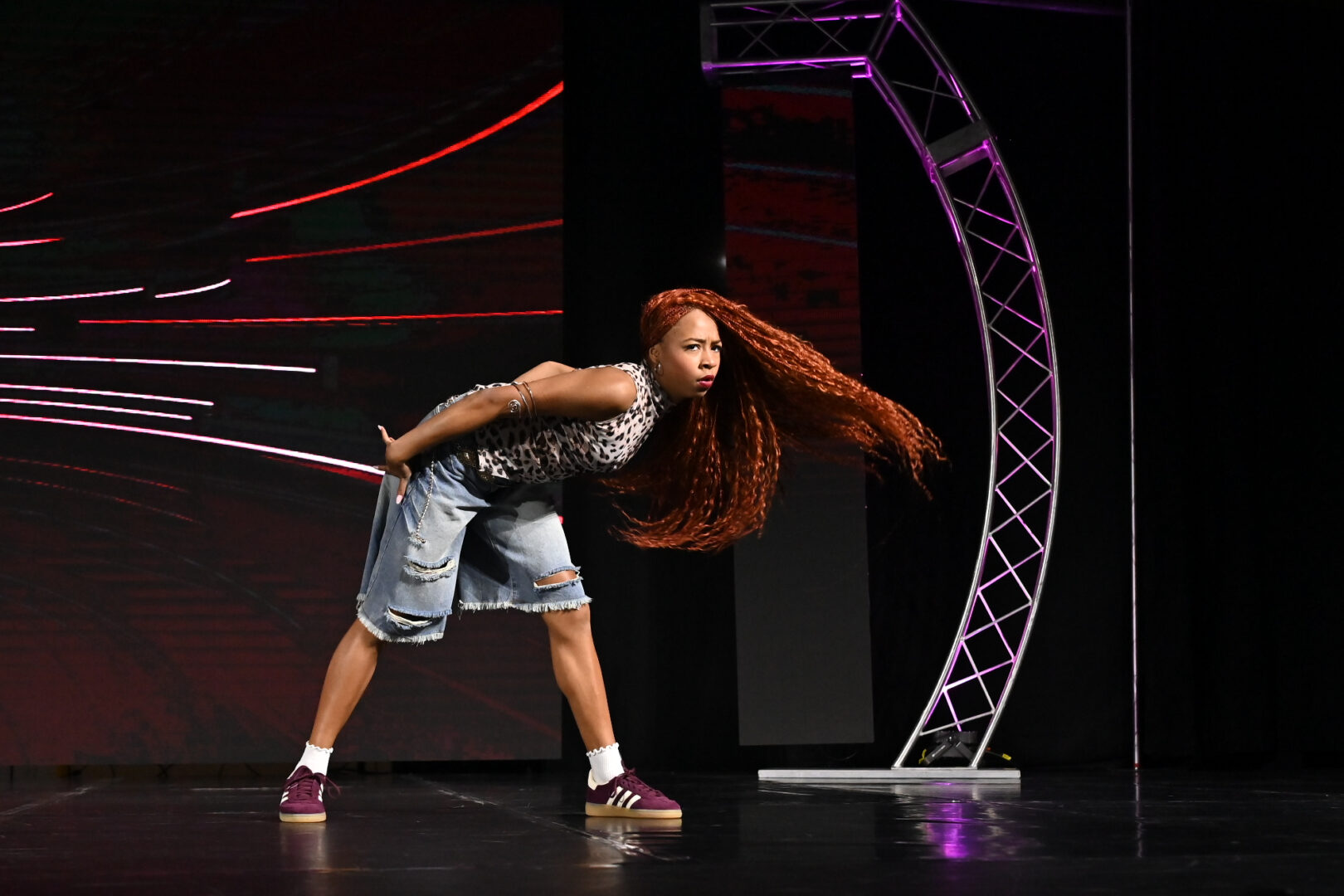
As dancers, it’s easy to become hyper-focused on every little detail of a performance. Maybe you’re worried about a slightly bent arm, a turn that felt wobbly, or a moment when you almost forgot the choreography. After spending weeks—or even months—perfecting a routine, those tiny mistakes can feel like make-or-break. But here’s the funny thing: the audience usually isn’t looking at and noticing the same things that you are.
Your Energy
One of the first things audiences notice is your energy level. Audiences notice if you’re bringing the stage to life or have low energy when you are performing. You could perform every technical element just right, but if you look disconnected, nervous, or like you don’t want to be there, the audience will feel it. On the other hand, a dancer who performs with confidence and enthusiasm can capture attention even if every movement isn’t flawless. The energy levels are always going to speak for themselves when it comes to performing.
Facial Expressions
Dancers spend countless hours working on choreography, technique, flexibility, and strength. Sometimes facial expressions become a background detail during rehearsal. Audiences, however, notice your face almost immediately. It is what they are going to pay attention to because it helps tell the story. Whether you’re smiling during a jazz routine, moving through hard emotions in a lyrical piece, or showing intensity in a contemporary performance, your expression helps communicate the emotion behind the movement.
Confidence (Or Lack of It)
Most audience members aren’t dance experts themselves. They don’t always know whether your leap was high enough or if your turnout was perfect. If you make a small mistake and keep going without showing it on your face, chances are the audience won’t know anything happened. But if you visibly freak out, stop performing, or look frustrated with yourself, that’s often what people remember. It is all about having confidence to keep going and pretending it didn’t happen. Odds are they aren’t going to realize you missed a turn or fell out of a trick.
As dancers, we tend to be our own toughest critics. We replay every mistake, analyze every correction, and focus on details that nobody else even noticed. The audience sees something different. They see your energy, your confidence, your storytelling, your teamwork, and the overall performance you give on that stage.