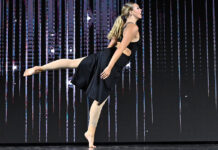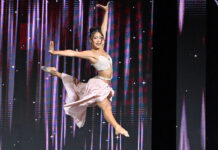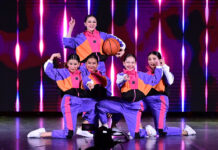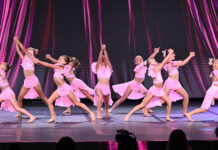


Dance should be something that everyone can do, but physical limitations, skill concerns, and financial barriers keep many potential dancers off the dance floor. So, how do we work around these barriers? Making dance more accessible means bringing the joy that comes from dancing to more people. It might take some creativity, but there is a way for everyone to be able to dance, no matter the circumstance!
Accessibility for Physically Disabled Dancers
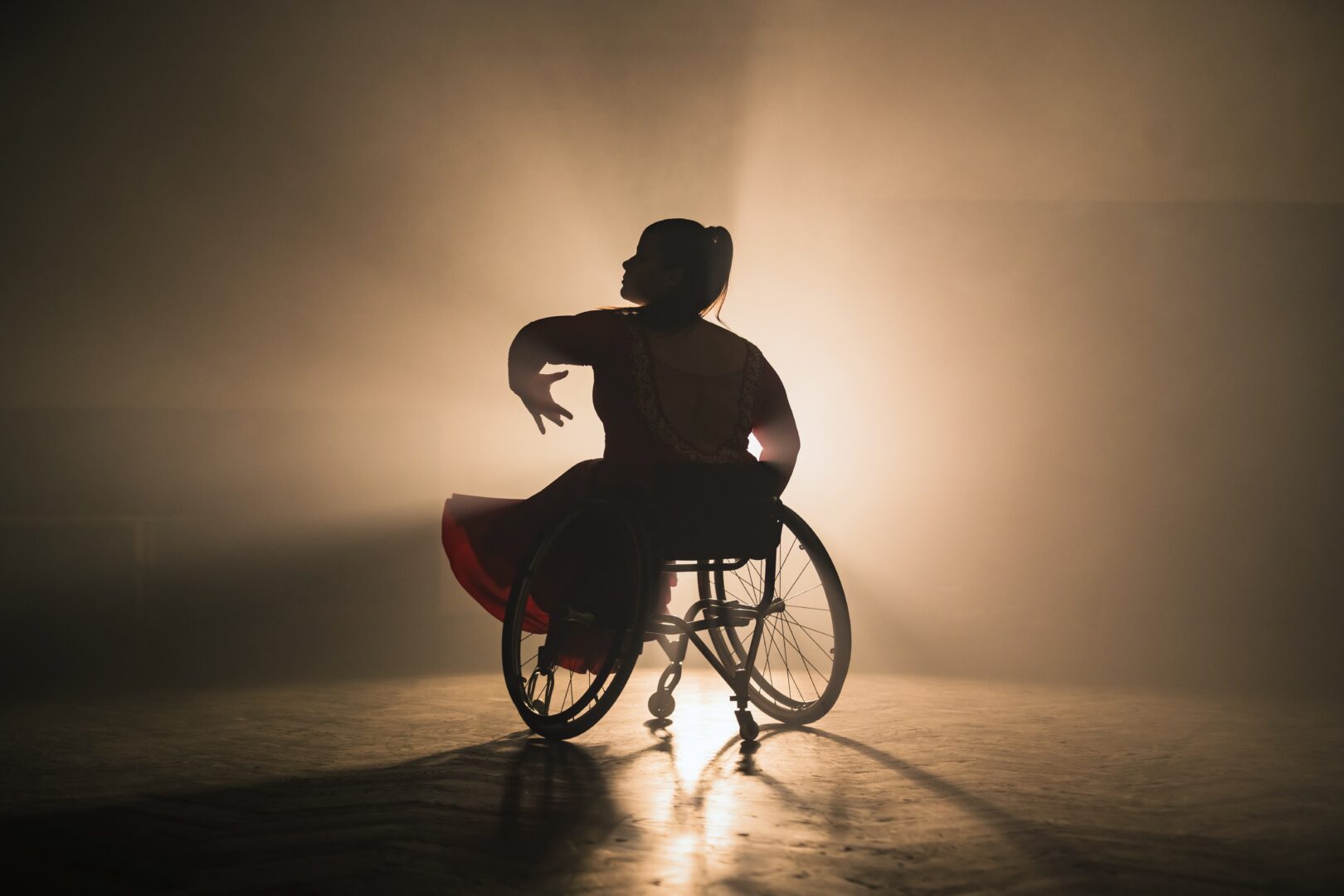
Dance can be adapted for any level of physical ability. Disabled dancers with chronic illnesses, limb differences, hearing difficulties, or mobility limitations (including dancers who are wheelchair users!) can be included in the studio with flexible choreography and mixed-ability classes.
Accessibility for all bodies in dance means allowing for choreography that values expression more than whole-body movement. This is a mindset that has to be built into how we approach inclusive and accessible dance.
Accessibility for Dancers of All Skill-Levels
It can be easy for someone to feel as though they shouldn’t dance because they aren’t “good enough.” This creates exclusion in an art form that relies on community! Advanced classes or fast-paced choreography can intimidate beginners or dancers coming back from an injury. Making dance accessible for all levels of dancers includes offering slow-paced choreography, true beginner classes, and attentive teachers who are willing to help dancers with small skills.
Letting dancers grow without feeling embarrassed for not having a skill makes it accessible for people outside of the dance world.
Language and Teaching Style Matter
Environment is key to making dance accessible. A good environment can make a dancer feel invited and motivated, while the opposite will discourage a dancer. Teachers who are willing to take the time to explain movements step-by-step and encourage questions make dance more accessible to neurodivergent dancers, new dancers, and dancers who digest information differently.
Accessibility is about creating a space with good communication, positive feedback, and patience.
Financial Accessibility
It is no secret that dance can be very expensive. From class and travel fees to shoes, costumes, and more, the commitment adds up quickly. While not every cost can be covered by an outside source, studios can help make things more financially accessible by offering scholarships, free community classes, and sliding-scale tuition.
Making dance financially accessible allows dance to remain open to everyone.
Representation in the Dance World
Seeing only one body type, ability, or level of training can make a dancer feel as though that is all the dance world consists of. Making sure to feature and encourage dancers of various abilities and looks will help other dancers see themselves in dance spaces. Representation isn’t just about inspiring! It is also about remaining accessible. Every type of dancer is welcome to express themselves in the studio.